A recent post was a tribute to my deceased brother Richard. The last time I saw him was the day after the photo in that post was taken. He said he wasn’t feeling well and asked me to wheel him to his room. I let the nurses put him in bed, and he looked at me and said that he was tired and wanted to go to sleep. I told him goodbye, kissed him on the cheek, and left the room. As soon as I left, I had a surge of grief. I knew I’d never see him again.
I thought I was fine, but the next morning, when I got on the motel treadmill, I noticed my resting heart rate was about 155. (Usually it is between 55 and 60.) As I started to walk, it surged even more. Thinking the machine was broken, I had my wife step on the machine, and she had a normal heart rate. I felt ok, but couldn’t seem to stop my heart from racing, so I went to the emergency room. After almost 8 hours, they released me.
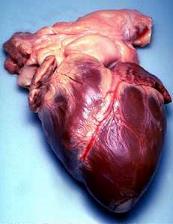
I saw my doctor as soon as I got back to Seattle, and he confirmed what my daughter had suspected. I had experienced “Grief-Induced Tachycardia,” which AI defines thus,
Grief-induced tachycardia, or a rapid heart rate from intense emotional stress, happens because bereavement triggers a “fight-or-flight” response, flooding the body with stress hormones like adrenaline, which increases heart rate and can lead to palpitations or even arrhythmias like supraventricular tachycardia (SVT) and atrial fibrillation. This acute stress elevates heart rate and blood pressure in the weeks following a loss, contributing to increased cardiovascular risk, but heart rates often normalize within months. Managing this involves addressing the physical and emotional aspects of grief with stress-reduction techniques and medical check-ups.
In its extreme form, grief-induced tachycardia (rapid heart rate) can result in broken-heart syndrome. So I’d advise my readers to try to manage the anxiety associated with loss as best they can. This is easier said than done in a stressful, hostile, violent world, but to survive and flourish, and help those around us do likewise, we must try to achieve equanimity. That is a lesson of the Buddhists, Stoics, and other sages.

So sorry to hear this, John! I’ve been dealing with chest and heart issues for almost a year (underlying condition was missed by British doctors over 5 years ago when I went to them about chest pains), which turns out are due to stress, tension, and lots of muscle knots that have been impinging on my vagus nerves. As a result, I’ve learned a lot about stress reduction, breathing, yoga, and meditation exercises. I’m planning on writing this all up soon since I’ve learned a lot and I’m almost “healed”, but I’d be happy to share some things with you if you are looking. I’m sure a lot of people are suffering (or near to it) with all the stress in the news these days. I joked that it was “Trump Heart” back in 2020 because it sometimes seemed to come on while watching things like the Daily Show. But the news is so much worse now. I can say that the exercises do work to calm the nervous system down, but it’s going to be important for me to keep them up even when I’m symptom free just so my nervous system continues to remain resilient. These things are like irons rather than light switches — they get hotter and hotter and hotter gradually (or cooler and cooler and cooler) rather than flicking on and off instantly. Good luck recuperating and keep at it.
thanks so much for sharing this, Ed.
Thank you for sharing this, Dr. Messerly. Stress-induced tachycardia is a new one for me. Good that you caught it. Be well.
thanks Kenneth, JGM